
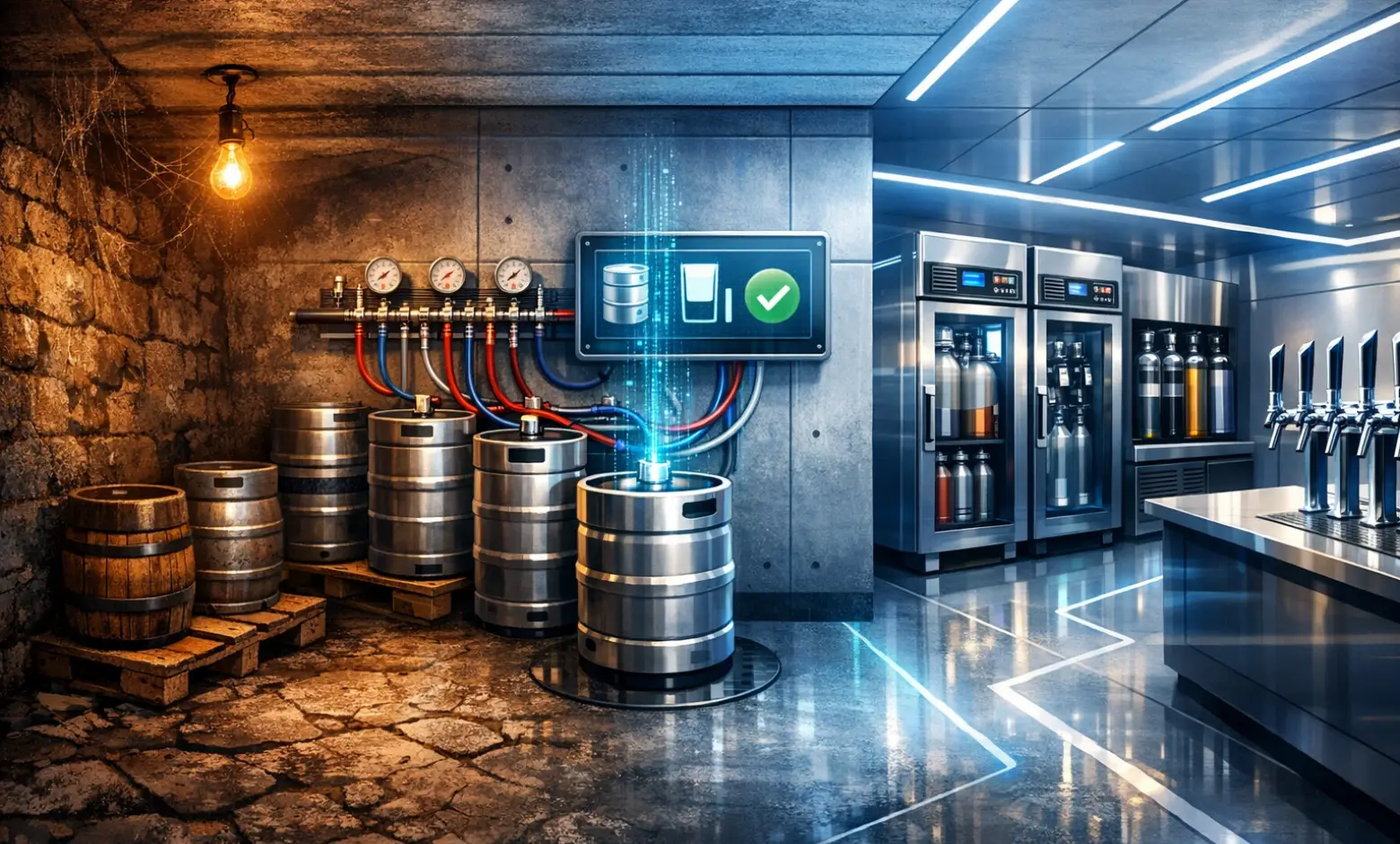
For decades, the typical pub cellar was a place of romanticized grime—a damp, subterranean cavern where the only thing more reliable than the faint smell of yeast was the inevitable breakdown of a compressor during a heatwave. However, according to a recent report by IndexBox, the industry is trading its cobwebs for cloud computing.
The global pub cellar equipment market is projected to grow at a compound annual growth rate (CAGR) of 4.2% between 2026 and 2035. This trajectory is expected to push the market index to roughly 150 by 2035 (using 2025 as a baseline of 100). While steady, this modernization effort is actually moving at a slower clip than the liquid it serves; as we previously reported, the craft beer market is expanding toward a $242 billion valuation with much more aggressive momentum. It seems the “craft” is currently outpacing the hardware required to keep it cold.
A Tale of Two Taprooms
The IndexBox analysis suggests the market is bifurcating into two distinct lanes: Volume and Premium.
In the volume lane, independent operators and budget-conscious pubs are focusing on the “essential” replacement cycle. Here, durability and low upfront costs reign supreme. Conversely, the premium lane—occupied by high-end bars and managed pub chains—is treating cellar equipment as a competitive advantage. These operators are investing in sophisticated multi-gas and multi-temperature systems, ensuring that a delicate nitro stout and a crisp pilsner are each poured at their respective ideal temperatures. In this tier, the cellar is no longer a utility room; it is a laboratory.
Drivers of Change and the Weights Holding Them Back
The push toward modernization is being fueled by a cocktail of efficiency demands and “green” pressures. Modern equipment is now judged primarily on its Total Cost of Ownership (TCO). With energy prices remaining volatile, cooling units that sip rather than gulp electricity are becoming the industry standard. Furthermore, tightening global regulations on refrigerants are forcing a mandatory hardware refresh for many legacy systems.
However, the road to the “smart cellar” isn’t without its speed bumps. Growth constraints remain significant, particularly the high initial capital expenditure (CAPEX) required for top-tier upgrades. For many smaller publicans, the long-term ROI of a high-efficiency glycol chiller is hard to swallow when the current margins on a pint are already being squeezed by inflation and labor costs.
The Rise of the Intelligent Draft System
While we aren’t quite at the point where your kegs will start tweeting their own status updates, the shift toward smarter technology is undeniable. The focus is moving away from manual oversight toward integrated systems that offer real-time visibility into the draft line’s health.
Instead of a barback descending into the depths to kick a keg, the next generation of equipment relies on inventory monitoring—often utilizing IoT sensors—to track flow rates and stock levels with surgical precision. This tech does more than just count barrels; it provides “pour analytics” to identify waste and over-pouring. When combined with automated hygiene tech, such as longer-life dispensing lines and easier-to-clean faucets, the goal is clear: reduce the human error and physical labor traditionally required to keep the beer flowing.
The cellar of 2035 will likely be cleaner, quieter, and significantly more expensive—but at least the beer will be served at exactly the right temperature, every single time.