
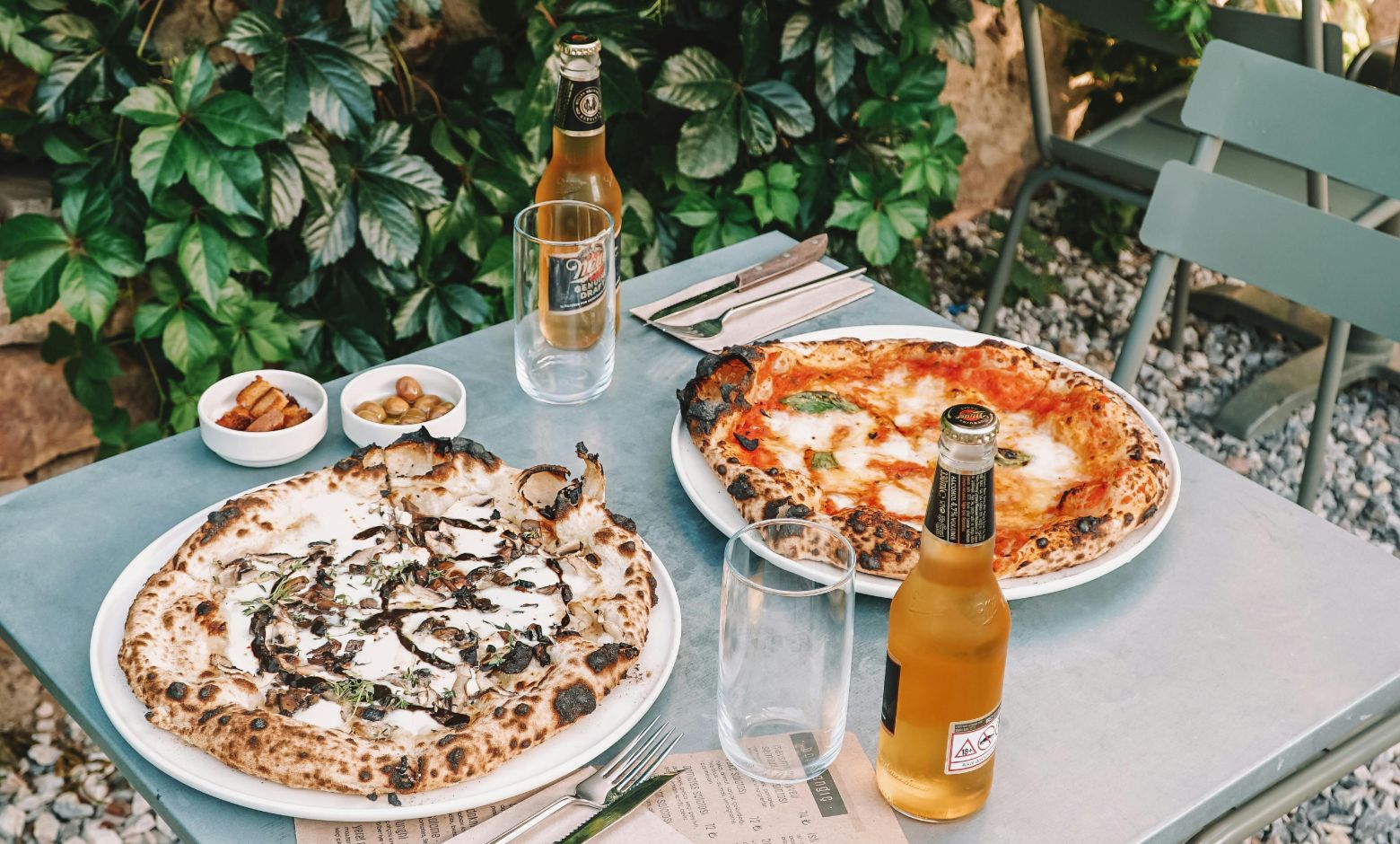
In a move that suggests the “pizza party” is finally graduating from juice boxes to longnecks, Pizza Hut is expanding its beer delivery pilot program. After a successful trial run in Phoenix, the chain is now rolling out the service to additional locations across Arizona and Southern California.
According to a report by Reuters, this expansion is part of a broader strategy to boost slumping dinner sales by offering the one thing pizza-loving adults want more than extra dipping sauce: convenience. Customers can now add six-packs of brands like Budweiser, Bud Light, and Shock Top to their digital carts.
This shift puts pressure on rivals like Domino’s, which has historically dominated the delivery space through tech innovation but has been more conservative regarding alcohol logistics. While Domino’s continues to focus on its “AnyWare” ordering platform and GPS tracking, Pizza Hut’s move into the beverage space aims to capture the “one-stop-shop” consumer who would rather avoid a secondary trip to the liquor store.
The thirst for convenience is spreading across the retail sector. Costco is finally making moves to navigate the Byzantine liquor laws of Pennsylvania to bring beer and wine to its warehouses. It seems the industry has collectively realized that asking a consumer to put on pants and drive to a store is a bridge too far in the modern economy.
The trend isn’t limited to American suburbs. Over in Europe, the shift toward digital libations is even more pronounced. In France, where the café culture is being disrupted by the smartphone, there is a growing trend toward ordering drinks digitally, even as the French swap traditional pints for more specialized “bubbles.”
Whether it’s a pepperoni pie in Pasadena or a sparkling cider in Paris, the message from the market is clear: if you aren’t delivering the booze, you’re leaving money—and thirsty customers—on the table.