
American drinkers scaled back significantly last year, driving total U.S. beverage alcohol volumes down by 5% in 2025, according to a new report from IWSR. Industry analysts attribute the historic contraction primarily to economic pressures and tightening household budgets, rather than widespread abstinence. Instead of quitting entirely, consumers opted to reduce both their frequency of drinking and the number of servings per occasion.
The downturn spared almost no major category, with beer and wine absorbing the steepest losses. Both categories saw overall volumes drop by 6% over the 12-month period. Spirits fared only slightly better, posting a 4% decline. Even the historically resilient Ready-to-Drink (RTD) segment felt the chill, dipping 1% overall. However, the RTD market proved to be a tale of two bases: traditional malt-based flavored beverages plummeted 5%, while premium spirit-based RTDs defied the trend, growing by 14%.
While long-term forecasts remain optimistic—with some analysts suggesting the market will eventually defy gravity through a strategic pivot toward premiumization—the current reality is a sobering reminder that even “recession-proof” industries have their limits. For now, the “premium pivot” is being tested by a consumer base more concerned with rent than top-shelf labels. This shift is starkly evident in the beverage choices consumers are making; while standard segments languish, no-alcohol beer managed to grow by 15% in volume as moderation trends firmly solidified.
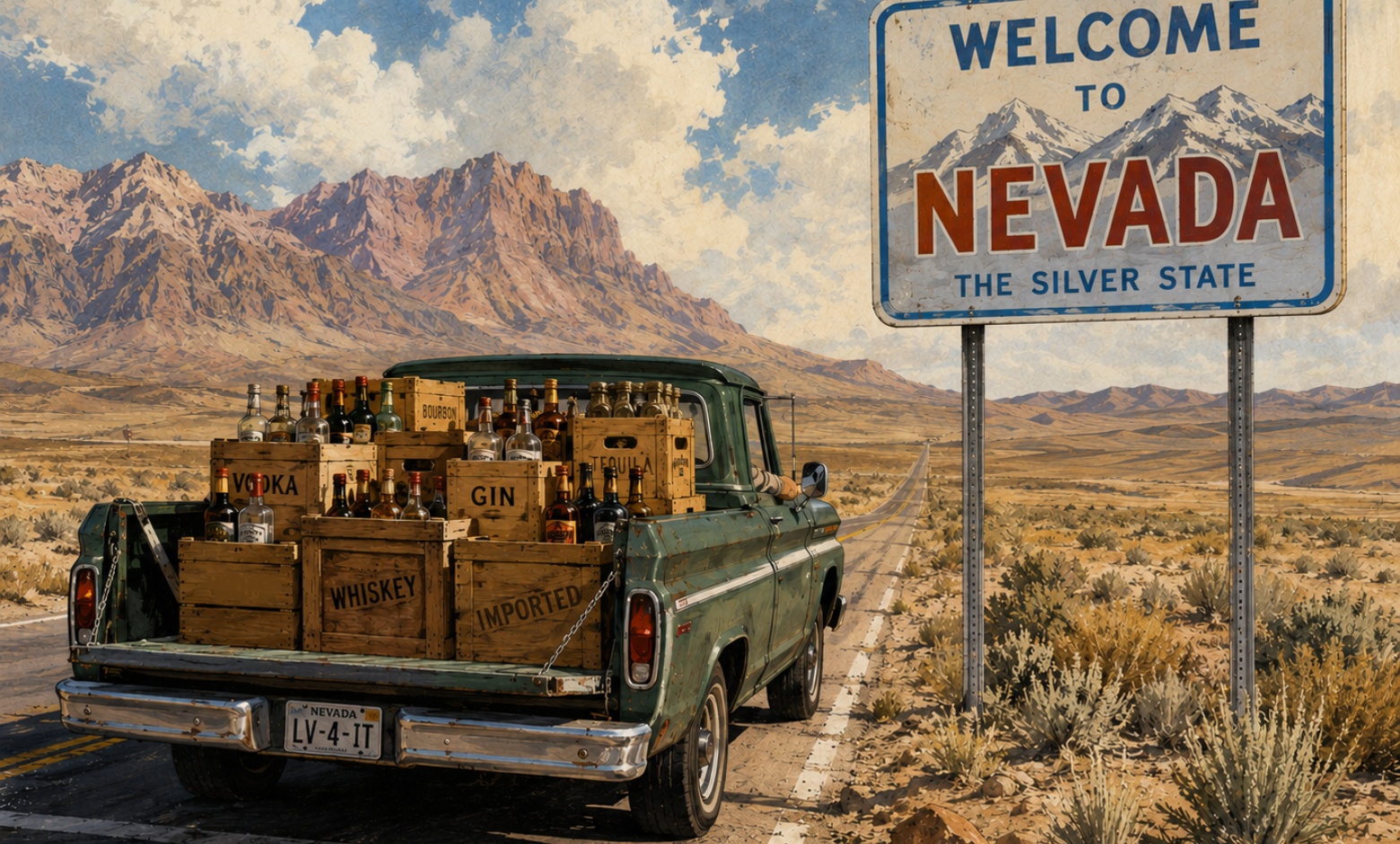
Geographically, the economic reality was nearly universal. Alcohol consumption volumes fell in 49 states. The sole exception to the nationwide slump was Nevada, which managed to register a 3% volume increase, likely buoyed by sustained tourism and entertainment spending.
While the broader market contracted, specific sub-categories managed to find growth amid the headwinds. Non-alcoholic beer continued its upward trajectory, surging 15% in volume as moderation trends solidified. Prosecco managed a 3% gain, indicating that affordable luxury still holds value for consumers, while national spirits—led primarily by Soju—jumped an impressive 18%.
IWSR analysts suggest that while evolving lifestyle choices and moderation trends play a role, the primary driver remains economic. The industry expectation is that volumes will stabilize and eventually rebound once macroeconomic pressures ease and consumer discretionary income recovers.