
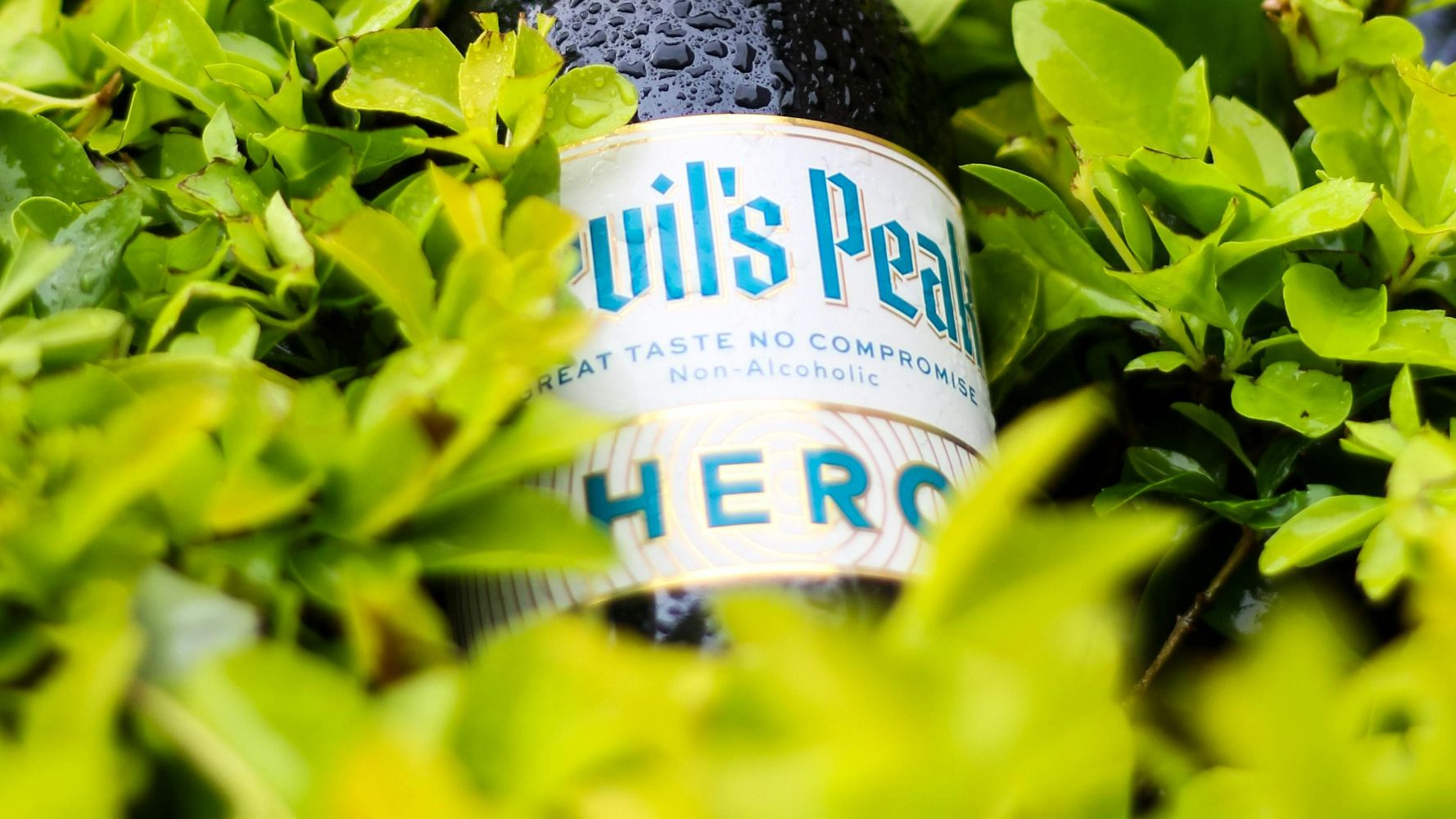
Non-alcoholic beer is on track to be one of the fastest-growing corners of the global beer business, with the market projected to nearly double over the next decade, according to a new report from Global Market Insights Inc.
- The global NA beer market is forecast to grow from USD 25.9 billion in 2026 to USD 50.8 billion by 2035.
- This expansion implies a robust compound annual growth rate (CAGR) of 7.8% over the 2026–2035 period, underscoring how firmly alcohol-free and low-alcohol options are moving into the beer mainstream.
The non-alcoholic beer market’s projected USD 50.8 billion value by 2035 will nearly match the stout segment’s anticipated USD 59.5 billion that year—calculated as 68.8% of the stout and porter market’s USD 86.5 billion forecast—highlighting how this upstart category is converging on a pillar of traditional beer styles.
This growth stands in stark contrast to headwinds in some traditional beer markets. b33r.xyz previously reported Europe’s brewing sector warning of “lost momentum” as brewery numbers plateau at 9,700 amid declining production and consumption since 2019. Non-alcoholic options, however, show universal strength, already comprising about 7.5% of total beer consumption in Europe per industry trends.
Non-alcoholic lagers lead as the dominant beer style in this booming segment, capturing over 53% of the market share, with non-alcoholic IPAs and wheat beers trailing as favorites that mirror drinkers’ craving for recognizable, easygoing profiles.
Hoppy flavor profiles dominate the non-alcoholic beer market, driven by their strong ties to craft beer culture and bold taste that carries over effectively without alcohol. Citrus profiles stand out as the fastest-growing segment, with a projected 8.2% CAGR from 2026 to 2035, thanks to their crisp, refreshing qualities and broad appeal to a wide range of consumers. Meanwhile, malty beer options attract traditionalists seeking authentic beer character, helping classic drinkers transition into zero-alcohol territory.
Non-alcoholic beer markets remain moderately consolidated, with leading players like Athletic Brewing Company, Heineken N.V., Anheuser-Busch InBev, Carlsberg Group, and Molson Coors collectively commanding about 47.2% of the market share in 2025. These companies bolster their positions through targeted collaborations with fitness brands, wellness influencers, sports organizations, and lifestyle retailers, amplifying visibility and aligning with health-driven consumer trends.