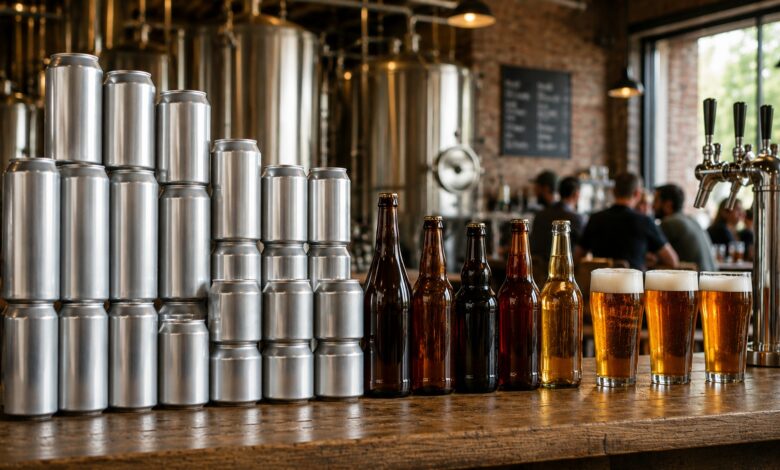
Aluminum cans remain the definitive package of choice for the United States beer market, securing 63.4 percent of total volume, according to new data released by the Beer Institute.
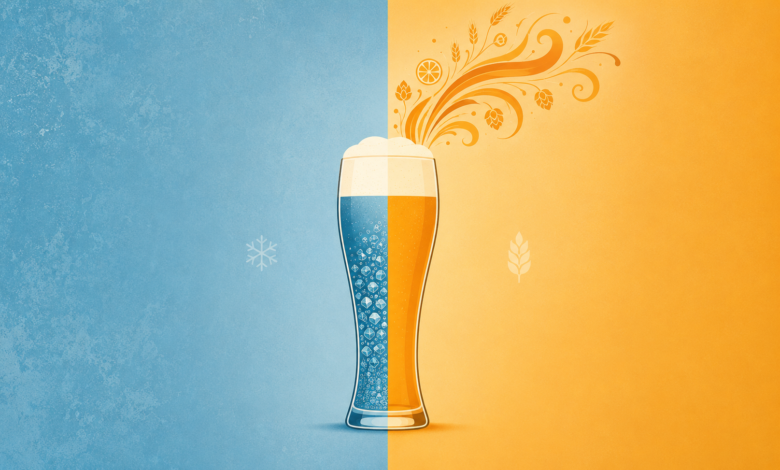
Walk into almost any contemporary craft beer bar, and you are likely to witness a structural crime disguised as premium service—a traditional Bavarian wheat beer poured directly into a frosted glass pulled from a sub-zero freezer.

A crushing majority of people believe they possess impeccable personal style, yet almost no one has the courage to express it publicly. That is the central finding of “A Question of Good Taste,” a global sociological study conducted on behalf of French beer brand 1664.

Researchers from the Carlsberg Research Laboratory have successfully mapped the incredibly complex genetic code of hops. t is a high-resolution DNA roadmap that might just preserve the future of beer in a warming world.

Nuremberg-based hop titan BarthHaas GmbH & Co. KG has officially launched a major global digital campaign focused entirely on the technical frontiers of non-alcoholic (NA) and low-alcohol brewing.

For decades, non-alcoholic beer occupied a bleak, dusty corner of the beverage industry—a functional compromise reserved for designated drivers or those on strict medical orders. Today, that compromise has evaporated.
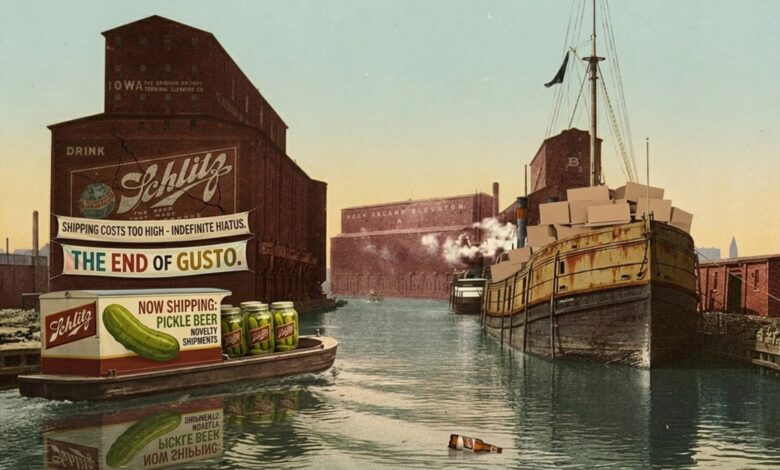
It appears the world has officially run out of gusto. Pabst Brewing Company, the current custodian of the historic brand, has announced it is officially discontinuing Schlitz, bringing a formal end to the 177-year-old American legacy.

The press has eagerly declared a psychological milestone in European drinking habits: beer has supposedly overtaken wine in France.
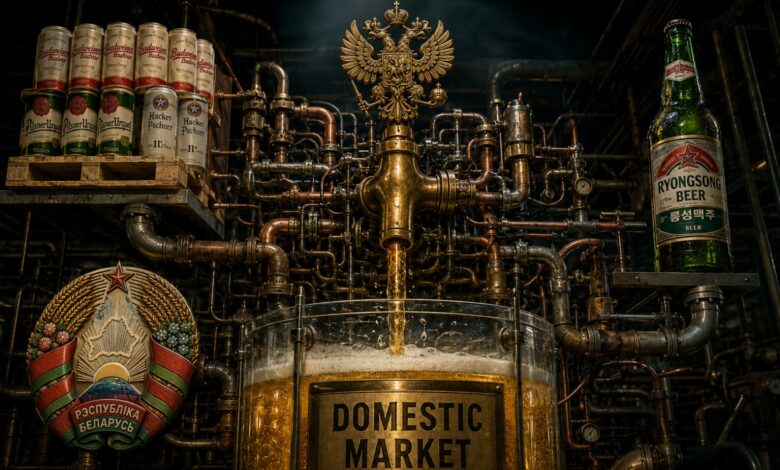
Russia has found a highly lucrative—and entirely legal—loophole to keep European beer flowing into the country, and the route runs directly through Minsk.
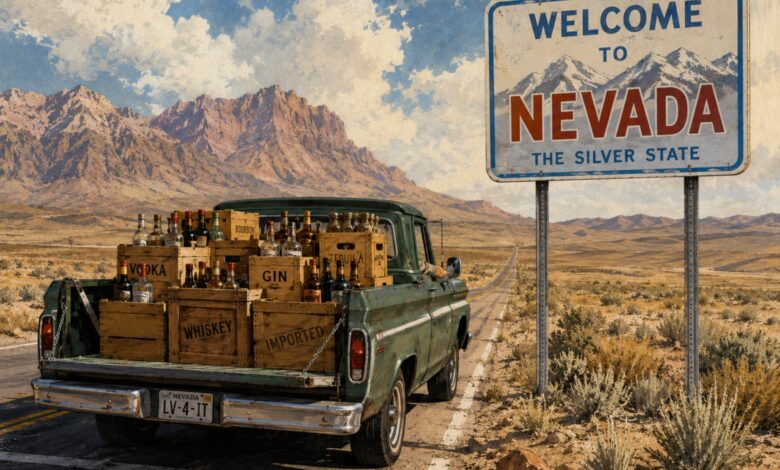
American drinkers scaled back significantly last year, driving total U.S. beverage alcohol volumes down by 5% in 2025, according to a new report from IWSR.