Boston Beer Attempts to Relight Growth with 15% ABV ‘Electric Coolers’

The Boston Beer Company is intensifying its pivot away from traditional brewing with the launch of LYTT Electric Coolers, a new line of high-gravity, ready-to-drink (RTD) beverages. This move signals a deeper commitment to the “beyond beer” category as the company seeks to capture a larger share of the convenience-oriented, high-potency market. It is a transition that mirrors a broader industry shift; as we have previously noted, the craft beer market continues to grow in value even as the traditional definition of “craft” begins to disappear in favor of more diversified beverage portfolios.
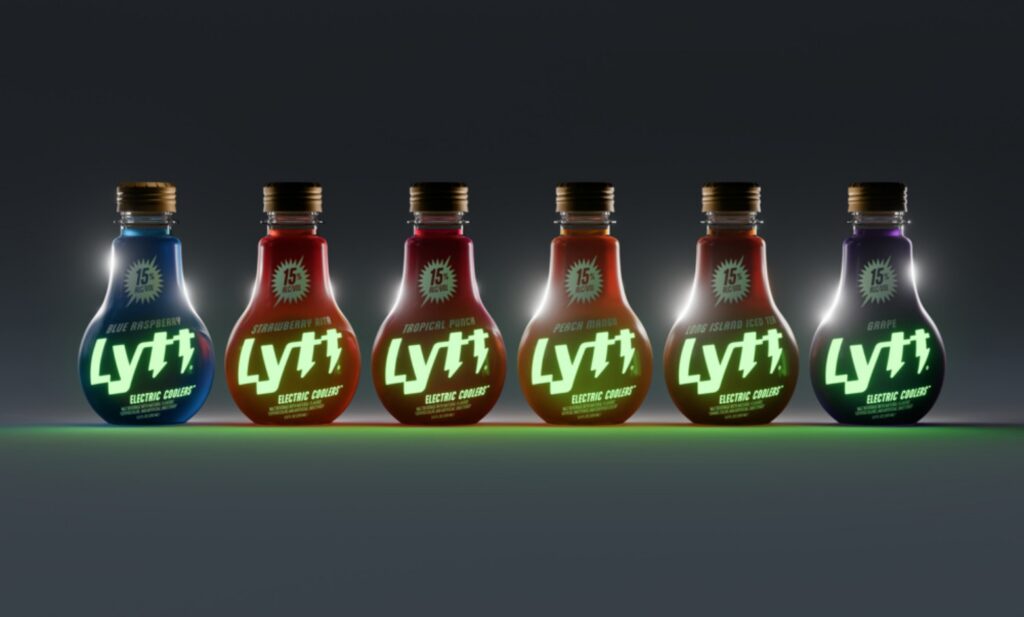
The LYTT line is characterized by its aggressive specifications and unconventional branding. Each 200 mL serving carries a 15% ABV and is packaged in a patent-pending, lightbulb-shaped plastic container that glows in the dark. Launching in mid-May across select markets including Florida, Texas, and Ohio, the initial rollout features six cocktail-inspired flavors: Strawberry Rita, Blue Raspberry, Peach Mango, Tropical Punch, Grape, and Long Island Iced Tea. The “Electric Coolers” are designed for the single-serve, grab-and-go channel, utilizing resealable, recyclable packaging to appeal to a nightlife-focused demographic.
This pivot comes at a critical juncture for the company. Boston Beer’s financial performance has faced significant headwinds recently; the company’s stock hit a 52-week low of $18.52 following a disappointing Q1 2026. As flagship brands like Samuel Adams struggle to maintain relevance in a crowded market and the seltzer boom continues to cool, leadership is clearly looking for high-voltage innovation to shock its balance sheet back into a state of growth.
From an editorial perspective, LYTT represents a fascinating evolution for the pioneers of the American craft beer revolution. By packaging 30-proof malt liquor in glow-in-the-dark plastic lightbulbs, Boston Beer is effectively moving beyond “beyond beer” and into the realm of pure utility. It is a bold play for the convenience store shelf, positioning the company less as a brewer and more as a lifestyle beverage conglomerate chasing the “nightlife-on-the-go” consumer. Whether a literal lightbulb over the head of the R&D department can illuminate a path out of their current stock slump remains to be seen.