Heineken’s VTO Play: Trading the Cubicle for the Pitch
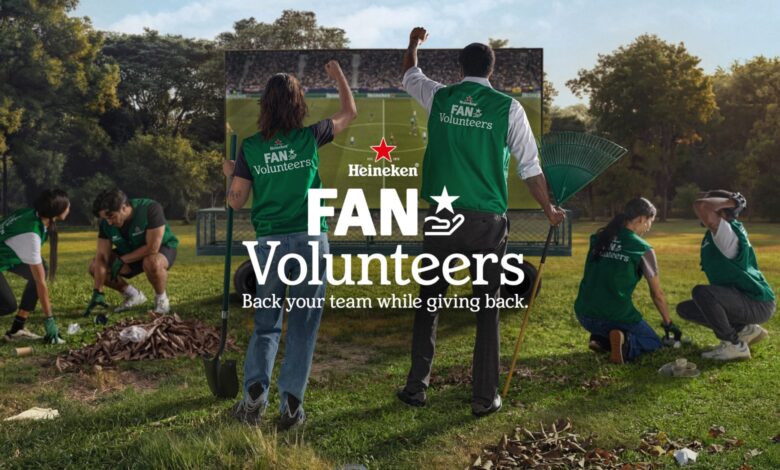
In a move that combines corporate social responsibility with the frantic desperation of a soccer fan during business hours, Heineken USA has launched the “Heineken Fan Volunteers” campaign. Recognizing that nearly half of this summer’s international tournament matches air during the American nine-to-five, the brand is encouraging fans to leverage a frequently ignored corporate perk—Volunteer Time Off (VTO)—to legally escape their desks and support their teams without the usual guilt of a “dentist appointment” excuse.
The VTO Loophole
The legal and corporate logic behind the campaign is surprisingly sound. Many U.S. companies offer VTO as part of their benefits packages, yet these hours often go unused. By framing soccer viewership as a post-service reward, Heineken isn’t suggesting employees simply skip work; they are encouraging them to utilize existing contractual benefits to support registered non-profits. This allows fans to leave the office with their HR department’s blessing, provided they actually show up to the volunteer site. It transforms a potential disciplinary issue (streaming games under the desk) into a sanctioned community service event.
From Community Service to Kick-off
In practice, the campaign centers on HeinekenFanVolunteers.com, a dedicated portal where fans can find local volunteer opportunities—ranging from packing meals to urban greening—that coincide with the match schedule. The brand has even released a tongue-in-cheek corporate training video to “onboard” fans into this new way of working. Once the volunteer shift concludes, the “Fan Volunteers” transition from service to the stadium (or the pub), where Heineken facilitates the “shared fandom” experience by picking up the tab for a round of beers for the participants, where legal and available. To mark the occasion, the brand is also rolling out limited-edition “Official Beer of Soccer” packaging, including a premium aluminum bottle.
The b33r.xyz Take
At a time when most brand activations feel like mere digital noise, this initiative is refreshingly pragmatic. It solves a genuine friction point for the consumer—the “fandom vs. productivity” conflict—while building real-world community through manual labor and hops. This follows a growing trend of “community-driven” and unconventional marketing we’ve tracked recently, such as Dos Equis crowdsourcing its creative via social comments and Brewlander’s reliance on AI prompts over traditional filming. However, Heineken’s play feels uniquely ingenious; it manages to be socially useful while ensuring that when the whistle blows, the fans are exactly where the brand wants them: together, with a cold bottle in hand.