Sip Smart: U.S. Kosher Agencies Hit Pause on ‘Beer Kosher by Default’ Starting 2026
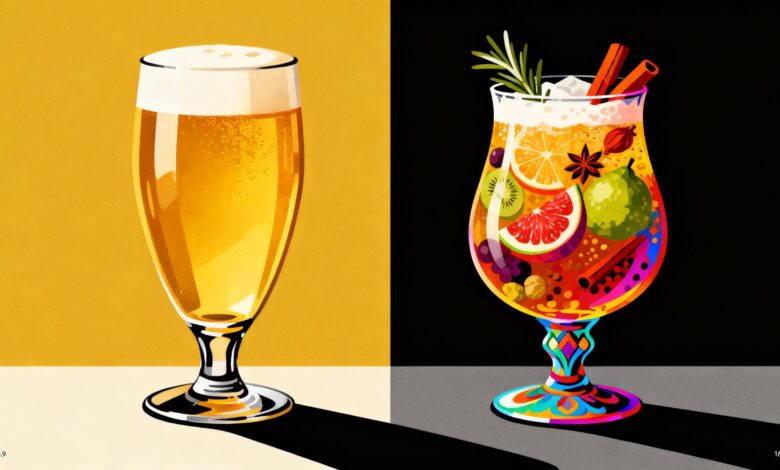
Starting January 1, 2026, in the United States, beer will no longer be automatically considered kosher—at least not in the eyes of the key kosher certification agencies. For decades, beer lovers who kept kosher happily assumed their brew was good to go, all beer is kosher, no hechsher (kosher symbol) required. But the party’s changing: the Orthodox Union (OU) and other major kosher certifiers have announced a policy shakeup. From next year onward, if you want to sip beer at an OU-certified restaurant, hotel, or event, your pint better come bearing an official kosher certification. Simple lagers and pilsners? No longer kosher by default. Craft, flavored, or barrel-aged varieties? Those have raised even more eyebrows and stricter rules.
The brewing world is no longer the simple realm of the basic beer ingredients: barley, hops, yeast, and water. Today’s craft beer scene is a wild playground of flavor experiments—including oyster broth, clam juice, lactose (hello milk stouts), wine and spirit barrel-aging, and exotic fruit purées. These additions introduce all sorts of kosher red flags. Even when these flavorings don’t scream “non-kosher” on the label, shared brewing equipment sometimes muddies the waters, risking cross-contamination. The answer to the question “Is beer kosher?” were once unambiguous, but now it has become a guessing game. So the kosher agencies decided enough was enough.
This policy shift has been jointly championed by kosher heavyweights including the OU, Star-K, and OK Kosher. These agencies shoulder the responsibility of maintaining Jewish dietary law standards in an increasingly complex food and beverage landscape. The OU’s public announcement and Star-K’s similarly stern statements reflect a move to protect kosher consumers from inadvertent slip-ups. The logic: better to require explicit certification than to rely on outdated assumptions, especially as ingredient lists become more adventurous and equipment-sharing becomes common. Their mission? Clear, consistent, reliable kosher supervision.
For kosher beer drinkers, this means scrutinizing labels like never before and expecting a kosher symbol if choosing beer in OU-supervised venues. Classic mass-market beers that have long been kosher by default are mostly safe bets—but many popular craft and imported favorites without certification, including some Dos Equis fans out there, might find themselves excluded from kosher menus. For bars, caterers, and restaurants, the new rule requires diligent sourcing and possibly more kosher beer offerings, adding a layer of complexity to their beverage programs. The industry may see new certifications pursued as breweries seek to keep their loyal kosher clientele happy and compliant.
Whether you’re deep in beer geekery, a kosher law buff, or simply nursing a brew wondering why labeling is suddenly the hottest topic, 2026 is the year kosher beer gets an upgrade—complete with a lot of new paperwork and a lot less guesswork. Here’s to clearer rules and fewer surprises behind the bar!