Style Guide: Porters, Stouts, and the Difference
The Dark Side of the Glass: Defining the Duo
Walk into any craft beer bar, and you’ll likely find a tap list dominated by various shades of black. From the silky texture of an Oatmeal Stout to the smoky depth of a London Porter, these dark ales are the soul of the brewing world. But for many drinkers, the line between a “Porter” and a “Stout” is as thick and murky as the beers themselves.
At their core, both styles are top-fermenting ales. They share a common DNA rooted in dark-roasted malts, which provide those signature flavors of coffee, chocolate, and toasted bread. As we have discussed the difference between ales and lagers in more detail, you’ll know that the yeast and fermentation temperature play a massive role in the final profile—giving these dark beers their characteristic fruity esters and robust body.
If you’re looking for a hard line between the two, here’s the truth: it’s blurry. In the modern craft beer world, the difference between porters and stouts is often down to the brewer’s whim or a marketing decision. However, the general rule of thumb is that porters tend to be slightly lighter-bodied and more “chocolatey,” while stouts are usually more intense, opaque, and “coffee-forward” due to a heavier roast.
The Name Game: The word “Porter” originated with the street and river porters of 18th-century London who popularized the style. “Stout” simply began as an adjective for a “stout (strong) porter.”
From London Docks to Dublin Draughts: A Brief History
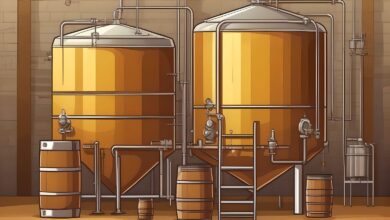
The story begins in the early 1700s, when London was the brewing capital of the world. As historian Martyn Cornell details in his definitive work, Amber, Gold & Black: The History of Britain’s Great Beers, the Porter was the world’s first truly “industrial” beer. Before this, beer was mostly a local, small-batch product aged in pub cellars. Porter changed everything by being brewed on a massive scale in giant vats—some holding thousands of barrels—to satisfy a growing working class that needed a cheap, calorie-dense, and reliable refreshment.
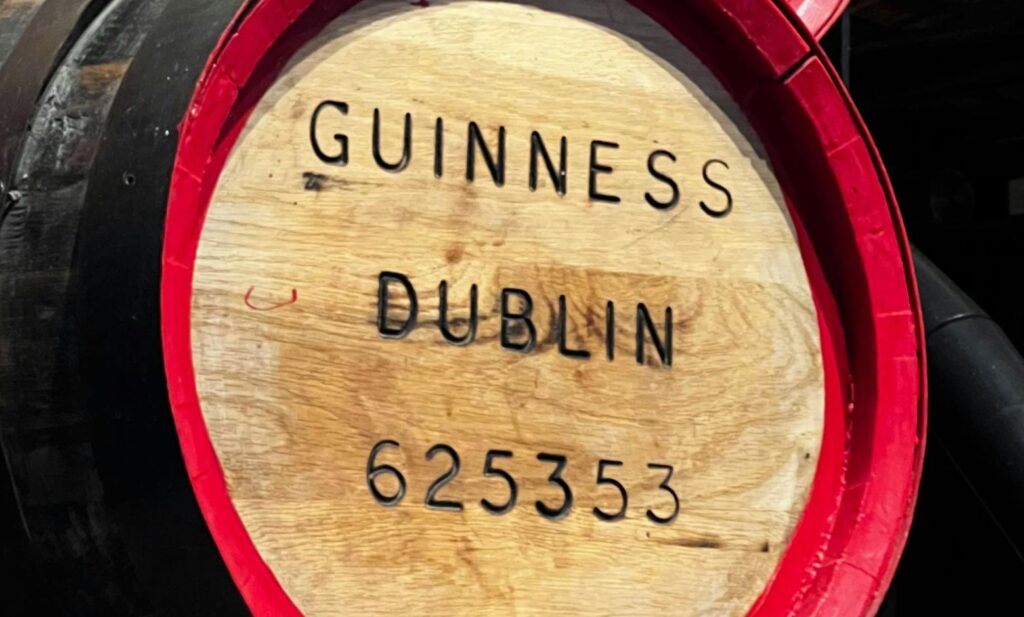
As the style evolved, brewers began making stronger, higher-gravity versions of their standard porter to command a higher price. They labeled these “Stout Porters.” Eventually, the “Porter” suffix was dropped entirely, and Stout became a standalone style.
By the 19th century, the two styles took a major fork in the road:
- The London Path: Continued refining the Porter, often using “brown malt” for a smoother, slightly sweeter profile.
- The Irish Path: Arthur Guinness and other Dublin brewers leaned into a newer invention—unmalted roasted barley—giving birth to the Dry Irish Stout we know today.
While Porters nearly went extinct during the World Wars due to grain shortages and shifting tastes, the craft beer revolution of the 1970s and 80s pulled them back from the brink. Today, they stand side-by-side on tap handles across the globe.
The Science of the Scorch: Brewing Techniques
The primary difference between a modern porter and a stout often comes down to one specific ingredient: roasted barley.
The Malt Spectrum
Both styles are defined by being “malty,” but what does that actually mean? As we’ve explored in our guide on what makes a beer malty, it’s all about the sugars and proteins derived from cereal grains. In the case of dark beers, those grains are toasted at high temperatures to create complex flavors.
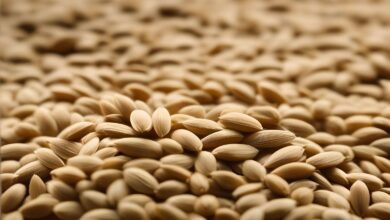
- Porters traditionally utilize Black Malt (or “Black Patent”). This is malted barley that has been kilned until it’s dark. It provides a clean, bittersweet chocolate or “toasted bread” flavor.
- Stouts often rely on Unmalted Roasted Barley. Because the grain isn’t malted (sprouted) before it’s roasted, it takes on a different character—sharper, drier, and more akin to intense espresso or charcoal.
The “Guinness Effect” and the Nitrogen Widget
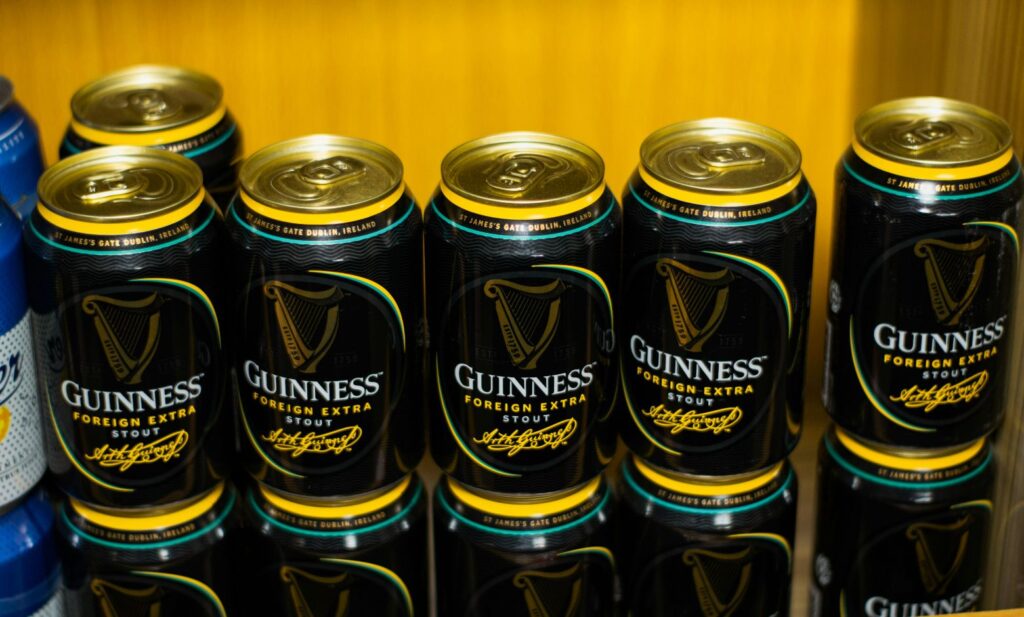
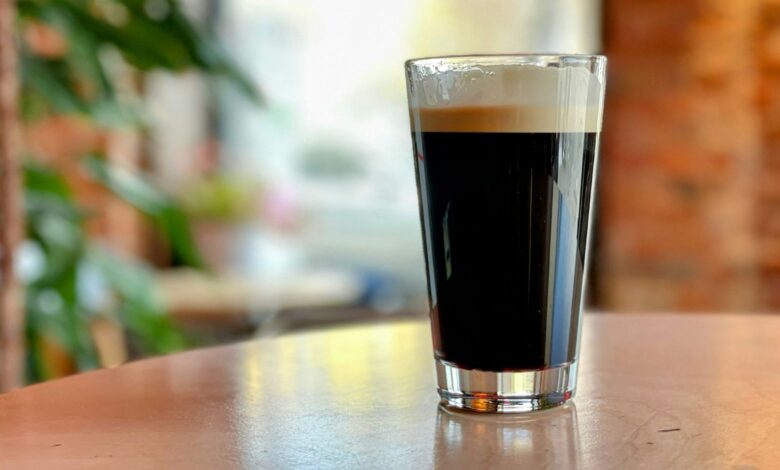
You can’t talk about modern stouts without mentioning the “surge and settle.” While most beers are carbonated with Carbon Dioxide (CO2), many stouts—most famously Guinness—are served using a Nitrogen (N2) blend.
Nitrogen bubbles are significantly smaller than CO2 bubbles, creating that iconic thick, meringue-like foam. If you’ve ever wondered how brewers manage to get that draft-style creamy head out of a can, it’s all thanks to a small plastic device inside. You can read the full breakdown of how the nitrogen beer widget works here.
What, if any, is the difference between porters and stouts?
If you’re feeling confused, don’t worry—the brewers are often just as conflicted. Historically, the rule was simple: Gravity. A “Stout” was simply a stronger, higher-alcohol version of a “Porter.” If a brewery made two dark beers, the 4% ABV version was the Porter, and the 6% ABV version was the Stout.
In the modern craft era, however, this distinction has largely evaporated. You can find “Session Stouts” at 4% and “Imperial Porters” at 10%.
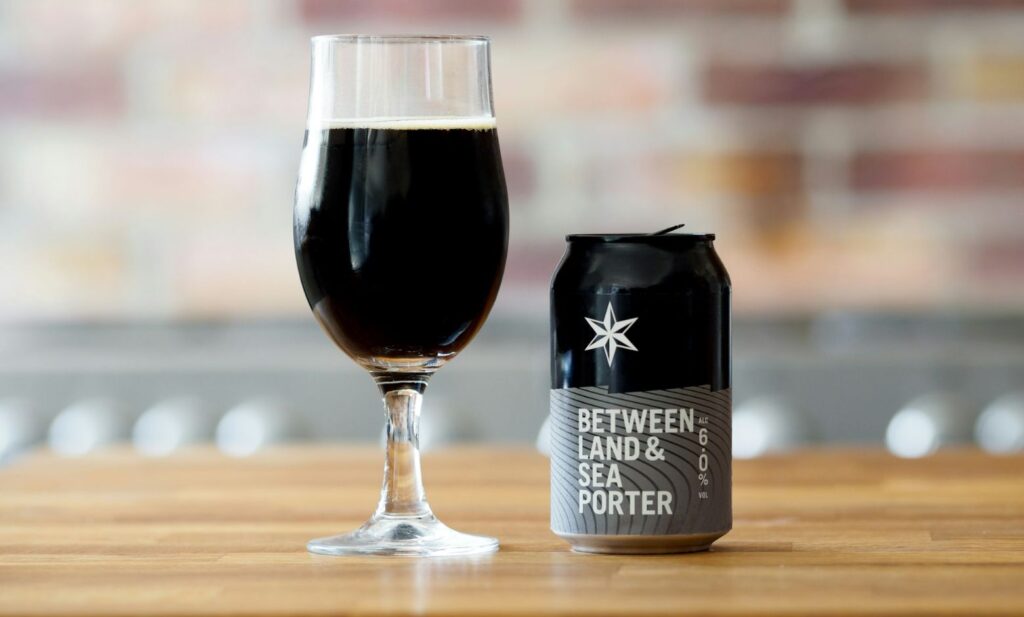
Is it just marketing?
In many cases, yes. Today, the label on the bottle often has more to do with branding than a strict technical recipe.
- A brewer might call a beer a “Porter” because they want the consumer to expect something approachable, slightly sweeter, and easy-drinking.
- They might call it a “Stout” because they want to signal something bold, roasty, and “heavy.”
While some purists still insist that a Stout must contain roasted barley and a Porter must use black malt, many modern recipes use a blend of both. Ultimately, the name on the tap handle is often a “vibe check” rather than a scientific classification.
The Style Gallery: Finding Your Dark Beer
While the line between Porter and Stout is blurry, brewers usually aim for specific “profiles” within each category. Here is the breakdown of the most common styles you’ll encounter.
The Porters
English Porter (Brown Porter) The direct descendant of the original London brew. These are generally lower in alcohol (4.0%–5.4% ABV) and focus on smooth, malt-forward flavors. Expect notes of milk chocolate, caramel, and nutty sweetness. They lack the harsh “burnt” character of stouts, making them incredibly sessionable.
American Porter The rebellious cousin of the English version. American craft brewers ramp up the intensity by adding more roasted grain and, crucially, more hops. You’ll get the classic chocolate and coffee base, but with a noticeable citrusy or piney bitterness from Pacific Northwest hops that cuts through the malt.
Baltic Porter The outlier of the group. Originating in the Baltic region, these were influenced by Russian Imperial Stouts but brewed using lager yeast and cold fermentation. The result is a high-alcohol (7%–9%+ ABV), remarkably smooth beer with dark fruit flavors like plum, raisin, and cherry.
The Stouts
Irish Dry Stout The quintessential “black beer” (think Guinness). These are defined by the use of unmalted roasted barley and nitrogenation. They are surprisingly light-bodied and low in calories, with a sharp, coffee-like bitterness and a bone-dry finish. They are built for drinking by the pint, not the sip.
Milk Stout (Sweet Stout) Before the craft craze, these were marketed as “tonic” beers. Brewers add lactose (milk sugar) to the boil. Since yeast cannot ferment lactose, the sugar remains in the final beer, providing a creamy mouthfeel and a subtle sweetness that balances the roasted bitterness. It’s like a cold latte in beer form.
Oatmeal Stout By adding oats to the mash, brewers create a beer with a silky, velvety texture. While they aren’t necessarily “sweet” like a Milk Stout, the oats add a complex earthiness and a “slick” mouthfeel that makes them feel much heavier and more luxurious than their ABV might suggest.
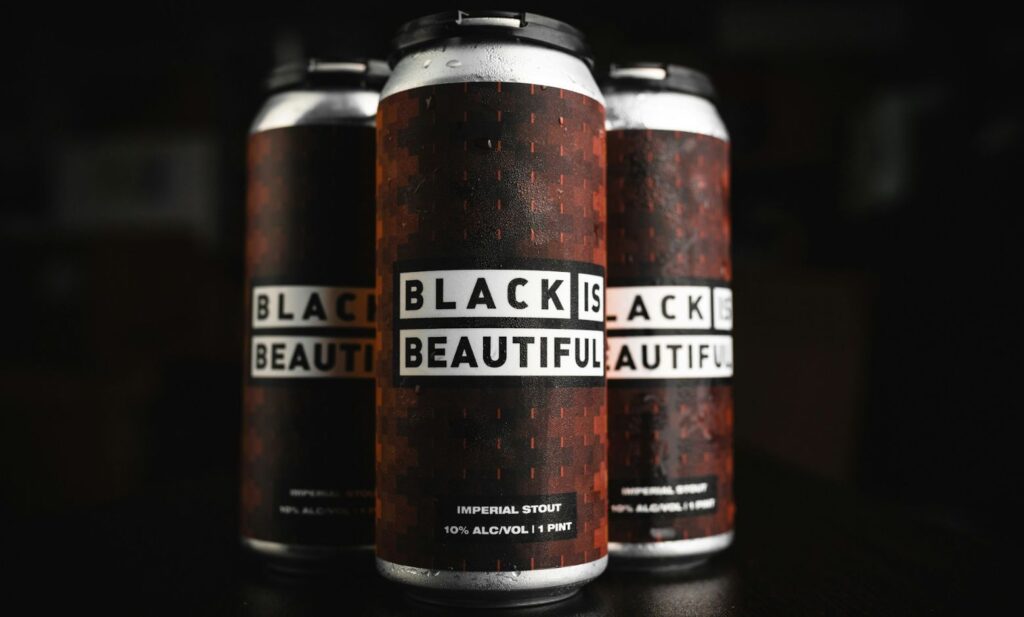
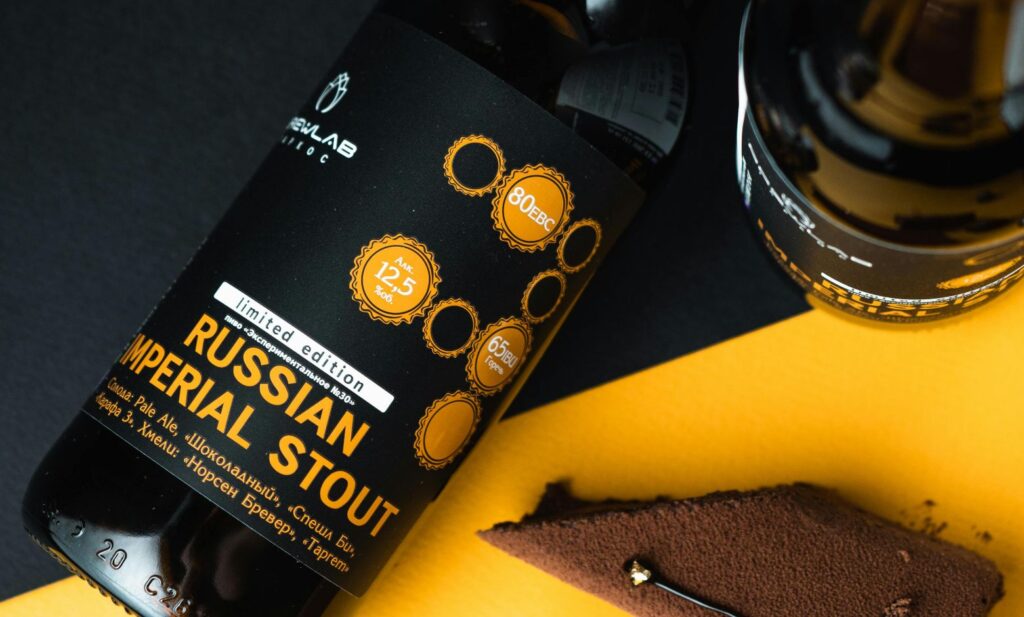
Imperial Stout (Russian Imperial Stout) The heavyweight champion of the beer world. Originally brewed in England for the Russian Imperial Court, these are massive beers (9%–12%+ ABV). They are thick, opaque, and packed with intense flavors of dark chocolate, espresso, burnt grain, and dried fruits. They are often aged in bourbon or whiskey barrels to add layers of vanilla and oak.
The “At-A-Glance” Cheat Sheet
If you’re standing at the bar and can’t decide, use this quick reference:
| Feature | Typical Porter | Typical Stout |
| Primary Malt | Black Malt / Chocolate Malt | Unmalted Roasted Barley |
| Core Flavor | Milk Chocolate, Caramel, Toast | Espresso, Dark Chocolate, Smoke |
| Mouthfeel | Generally lighter, “crisp” | Creamy, “heavy,” often Nitro |
| Color | Dark Brown to Ruby Black | Jet Black / Opaque |
| Bitterness | Balanced / Mild | Sharp / Intense |
The Verdict: Don’t Overthink the Dark
Whether you find yourself holding a pint of silky English Porter or a nitrogen-charged Irish Stout, the most important thing to remember is that these styles are built on a foundation of craftsmanship and history. While the technical lines between them may shift depending on which brewer you ask, their place in the heart of beer culture is permanent.
In fact, the future of dark beer is looking more robust than ever. As we’ve noted in our look at the “Dark Wave” of craft brewing, the market for these styles is projected to double in value by 2035. From traditional pub staples to barrel-aged experiments, the world’s thirst for roasted, complex, and comforting ales shows no sign of slowing down.
So, next time you’re staring at a tap list, don’t get too caught up in the nomenclature. Whether it’s called a stout or a porter, just look for those notes of coffee, chocolate, and cream—and enjoy the dark side.